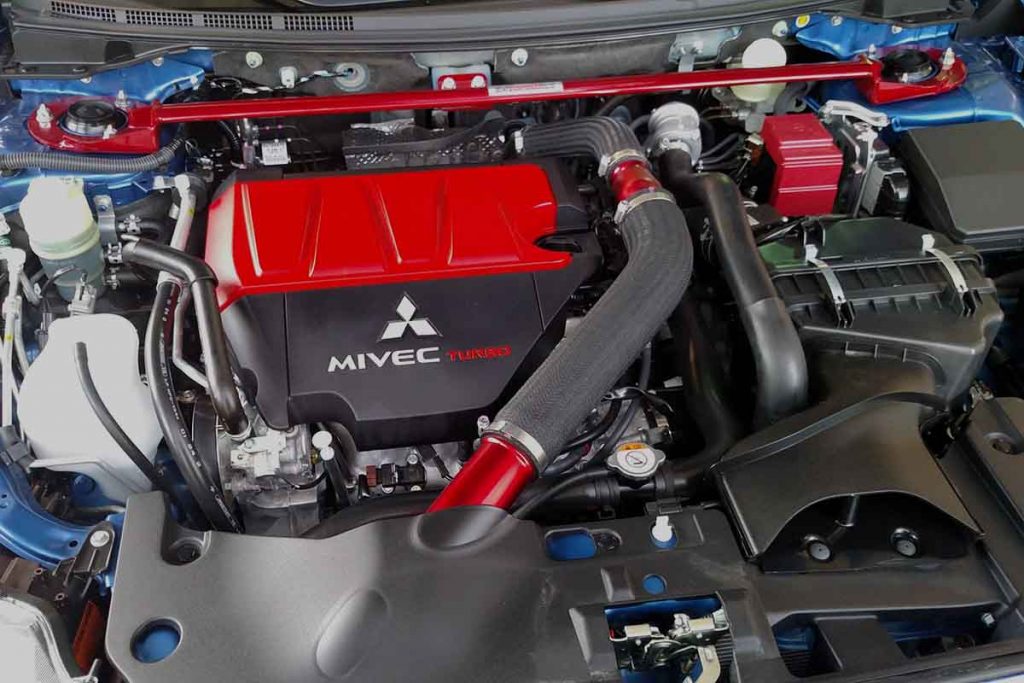
In most cases, the operation of increasing a turbo’s pressure is of real interest when it comes to a sports car or when it involves restoring a degraded value to a production car. It is therefore recommended that the procedure for increasing a turbo’s pressure be carried out by a specialist. Four crucial steps must be carefully observed.
Detect the type of vehicle installation
Depending on the installation on your vehicle, you may have the option to adjust the turbo pressure or not. It can be:
- Turbocharger with wastegate: Here, the pressure increase is achieved through a valve that diverts the gases through a bypass. The pressure adjustment is made by alternating the opening and closing of this valve. There are two different cases.
Case 1: This involves the manifold pressure that controls the valve pneumatically. When the pressure is at a certain level, pressure is exerted on a threaded antagonist spring to open the bypass, then an increased turbo pressure is achievable.
Case 2: The vacuum from a solenoid valve opens the valve. For a diesel engine, the vacuum comes from the vacuum pump and for a gasoline engine from the throttle. The solenoid valve will then be actuated by the engine control unit. The pressure value is transmitted to the computer via a boost pressure sensor. Finally, the increase in turbo pressure will be achievable depending on the response of the calculator.
- Variable geometry turbocharger: This category of turbochargers controls the pressure using flaps actuated by the vacuum from a solenoid valve. The latter is controlled by the engine management computer. An increased turbo pressure can be achieved here as long as the computer does not intervene.
Use a pressure gauge
The pressure gauge allows you to know the modified pressure value during the increase.
- Equip a pressure gauge with a scale from 0 to 2.5 bar
- Connect a nylon hose to the pressure inlet
- Direct the hose towards the passenger side and insert it into the glass that should be slightly opened.
- Connect the pressure gauge to the tube.
Note maximum pressure on the road
- In this case, it is essential to ask for assistance from a second person on the passenger side.
- Then, drive the car and take note of the maximum pressure it offers. Keep the accelerator pedal pressed.
- Compare this data with that of your vehicle’s technical sheet. Average values should be between 650 and 1200 millibars
Adjust the turbo pressure value
- Stop your vehicle and access the wastegate control rod. Then unlock the locking nut that secures the thread.
- Separate the turbo valve shaft by removing the clip that holds it.
- Turn clockwise to increase the pressure while keeping the rod at the vacuum capsule to prevent it from turning.
- Remove the control rod and now lock the locking nut.
- Proceed with a new road test (the power increase should be usable and acceleration should not produce black smoke).
- If necessary, review the regulations.
- Reposition all elements of your vehicle.
Tag: increase turbo pressure