A true gem of the Low Countries of Europe, Belgium may be small, but boy does it pack a punch! From the French-speaking villages of Wallonia in the south to the diamond cities of Flanders and the North Sea coast, this nation hosts everything from bustling European parliaments to unassuming war memorials within its borders. Here, we take a look at all the best places to visit in Belgium, exploring the vibrant capital, the wild nature of the Ardennes, the rich culture of Mons, and many other things along the way!
1. Bruges
Source: flickr
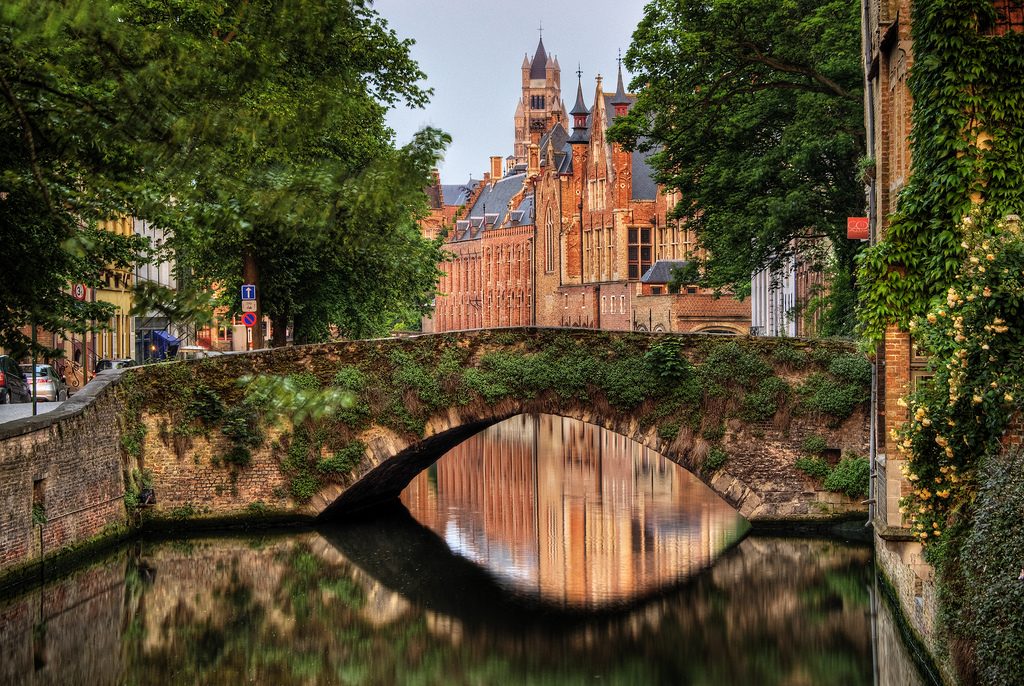
Bruges
Catapulted to fame by the hit film In Bruges 2008, this pop-up slice of a medieval city in the heart of Flanders fails to disappoint. Its old center is an enchanting maze of winding cobblestone streets, each lined with the rising gables of Low Country townhouses. Here, flying buttresses clad in Gothic sculptures and twisted gargoyles overlook the Grote Markt; Belgian fry vendors sit next to ubiquitous Irish pubs (there’s an unexpected lively nightlife), and romantic gondolas drift up and down the canals. Oh, and don’t miss the Basilica of the Holy Blood — a Gothic masterpiece that is said to house a vial of Christ’s blood! Also, see our Bruges guide!
2. Ghent
Source: flickr
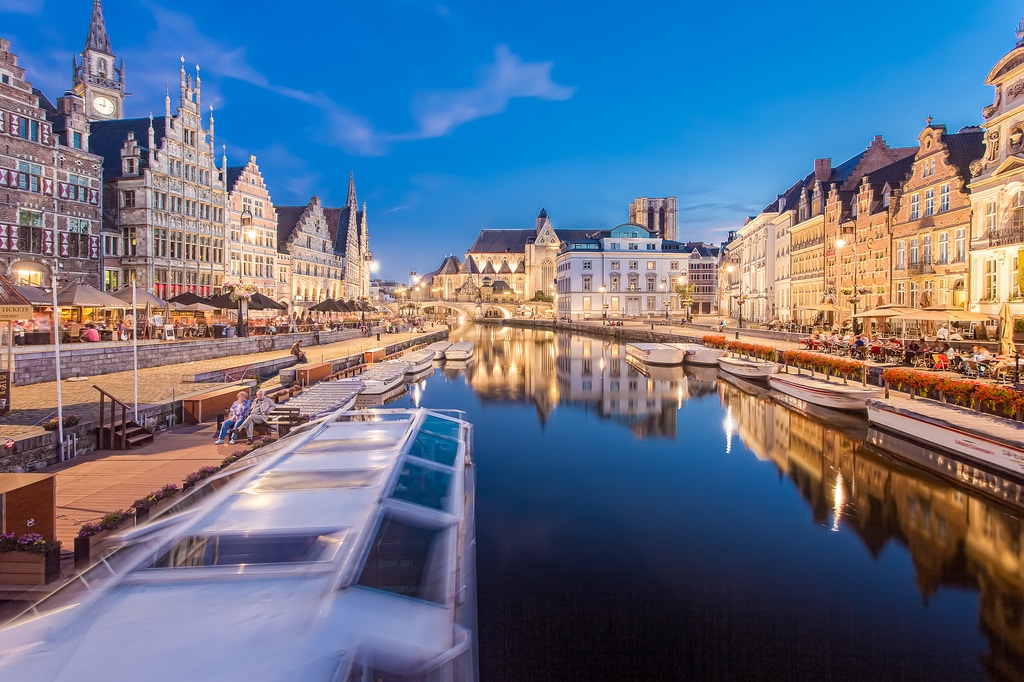
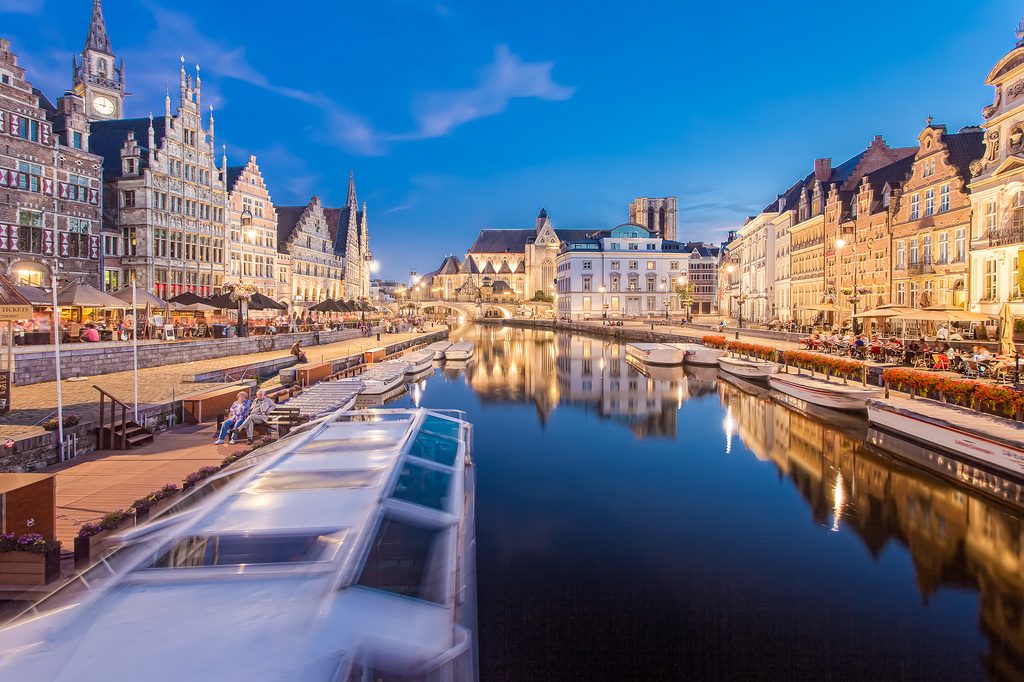
Korenmarkt, Ghent
It’s only a matter of time before Ghent starts to rival Antwerp and Brussels for the top spot on the must-visit metropolitan destinations in Belgium. Once one of the most powerful cities in Europe, it has chosen to take a backseat in modern times, preferring to hide its stunning location at the confluence of the Scheldt and Lys rivers and its chocolate box old town (the largest pedestrian zone in the country). Today, travelers head to the perfect postcard rows of Flemish townhouses lining the Graslei quays, or dive into the Gothic medley that rises with the poppies of Gravensteen Castle. Others sip Belgian beers in riverside pubs or devour platters of moules-frites amidst the narrow alleys. Read more in our best things to do in Ghent!
3. Durbuy
Source: flickr
Durbuy
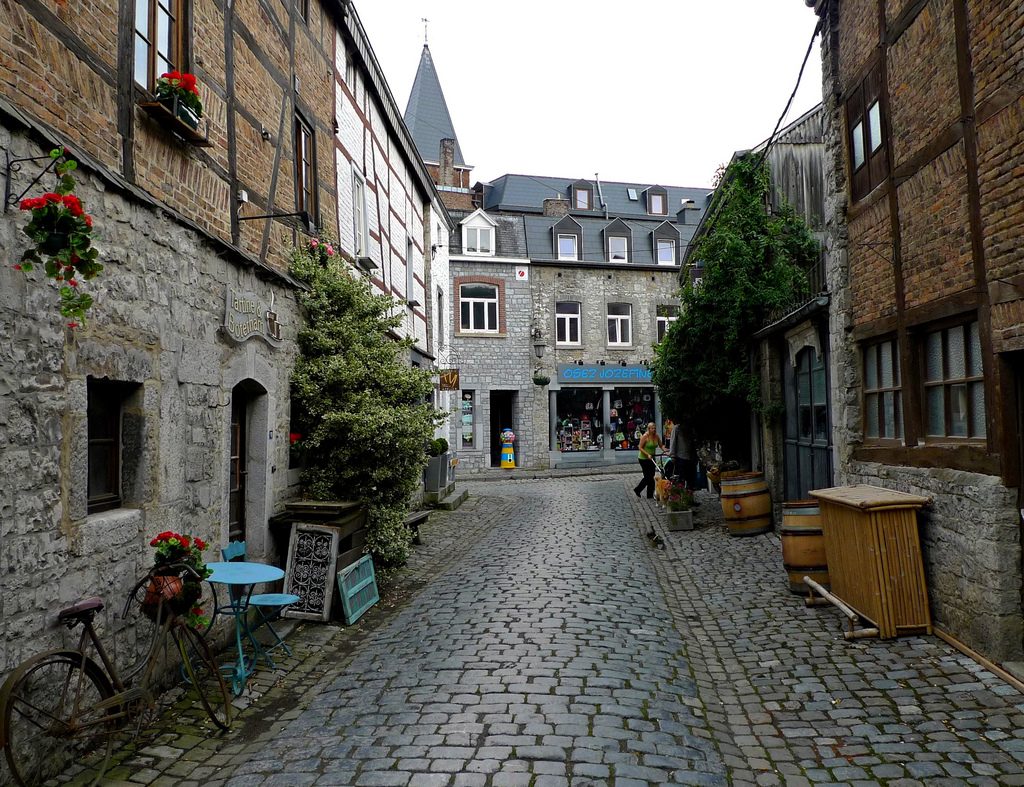
Nestled in the heart of a wooded valley in the Walloon Ardennes, Durbuy enchants visitors with a rustic network of winding cobblestone streets and bucolic chalets draped in rhododendrons, ivy, and poppy flowers. A shine of hearty and welcoming Belgian beers coexists with accomplished fine dining restaurants among the streets of the medieval center, while narrow alleys like Rue des Récollets are a true delight for strollers. Summer draws bustling crowds to the craft shops of the self-proclaimed “smallest town in the world,” while winter gives a wilder hue to the riverside setting amid the pretty Luxembourg province.
4. Antwerp
Source: flickr
Antwerp
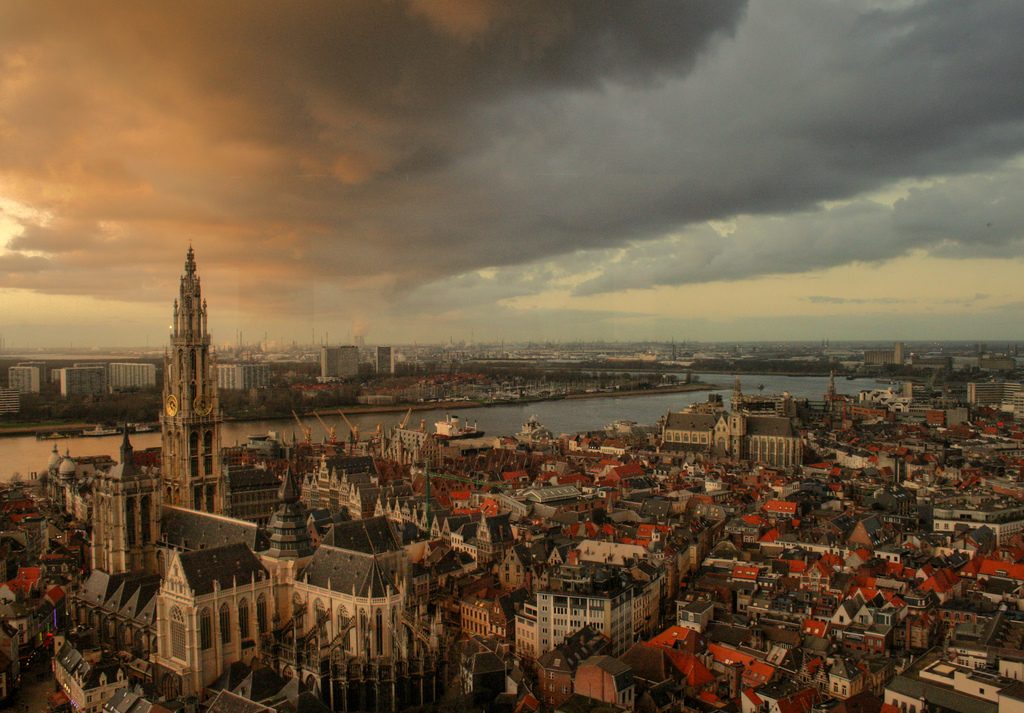
Cool, confident, and classically subversive, Antwerp has truly refined its role as Belgium’s second city. A booming diamond trading hub and brimming with wealth, the city is filled with grand Flemish houses, winding medieval streets overshadowed by the looming Gothic cathedral, the glorious old home of Rubens, and a Red Light district where the sounds of Toots Thielemans echo through candlelit beer bars. And then — of course — there’s the Het Zuid district; Antwerp’s modern edge, where bohemian cafes sit alongside antique emporiums, fixie riders glide past graffiti, and the famous MUHKA art gallery showcases avant-garde works. Check out our article on the best things to do in Antwerp for more!
5. Ypres
Source: flickr
Ypres, Belgium
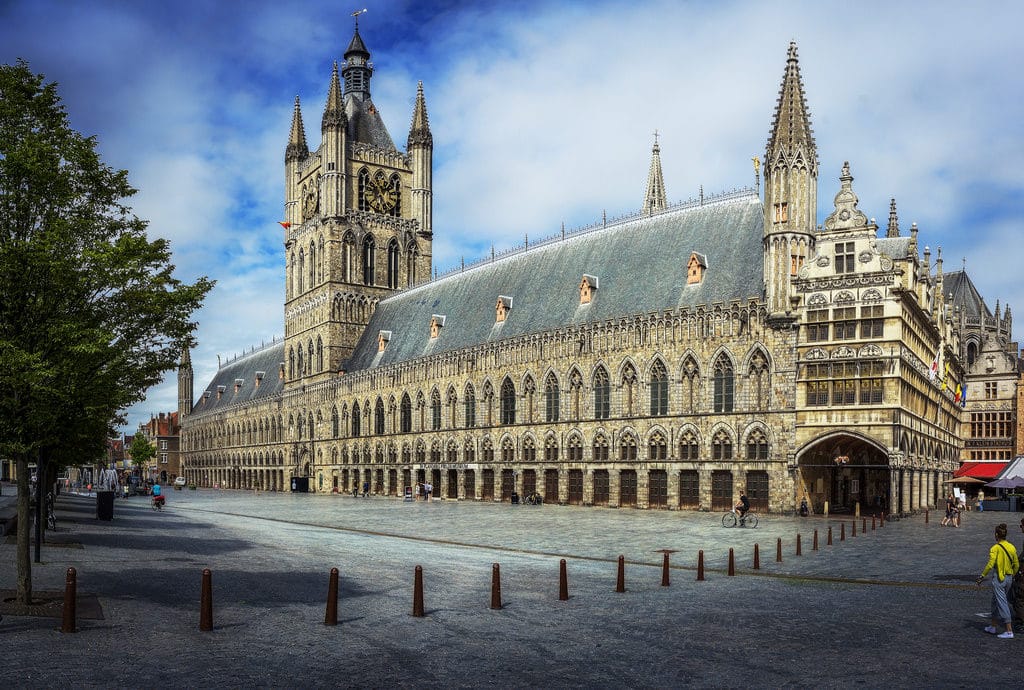
Etched in the minds of many as the site of one of the bloodiest and most destructive battles of World War I, the small Ypres in the midst of the Westhoek is a must-visit for all history buffs traveling through Belgium. Starting in 1914, the rolling fields around this ancient town were dug up by French, Canadian, British, ANZAC, and other Allied troops as they fought for control of Flanders and attempted to push back the German lines at the infamous Passchendaele Ridge. Today, this bloody struggle is commemorated by the Menin Gate Memorial and the In Flanders Fields Museum, which has been hailed as the most comprehensive World War I exhibition in all of Europe.
6. Hoge Kempen National Park
Source: flickr
Hoge Kempen
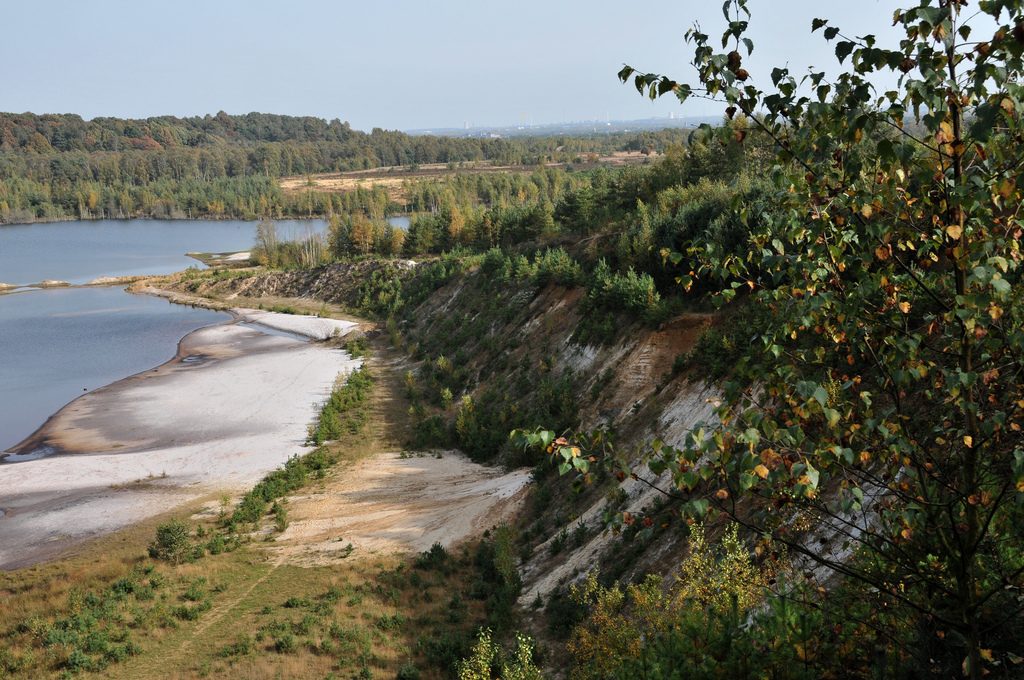
The
lonely national park of Belgium is a true patchwork of natural beauty that encapsulates the wild backcountry of East Flanders. Covering 60 square kilometers of the picturesque Limburg region, the park is home to heather and rolling hills, misty pine forests, and mirror-like lakes, all dotted with wild deer and lavender and thistle flowers. With an impressive total of over 200 kilometers of winding hiking trails and countless bridal paths and cycling routes, it’s no surprise that this is now a true favorite among outdoor types traversing the Low Countries.
7. Leuven
Source: Flickr
Leuven
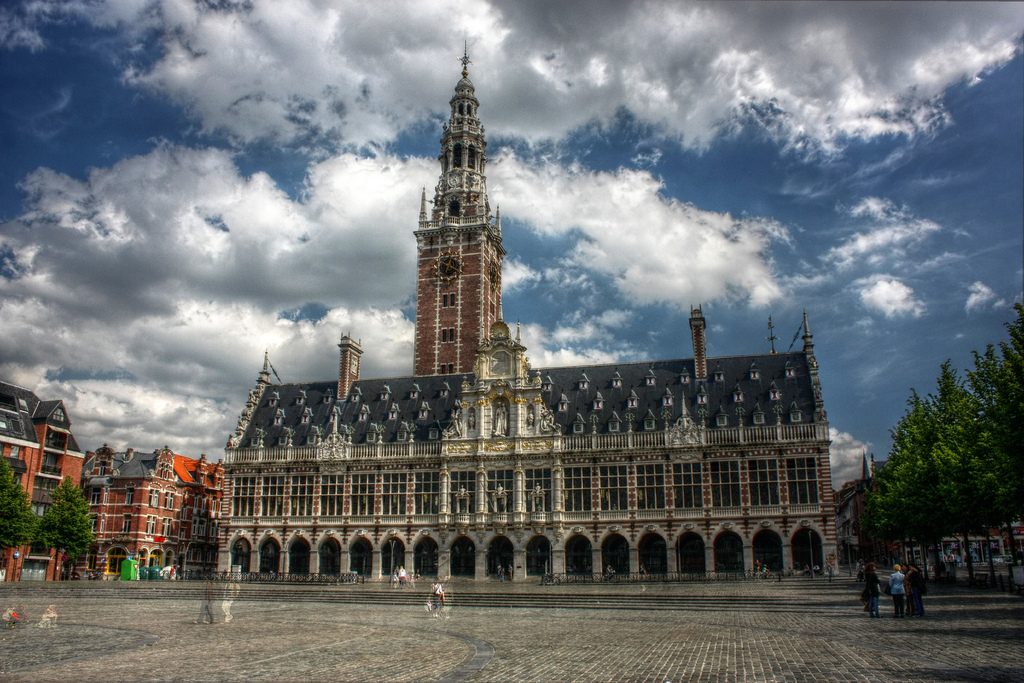
Boasting its 800-year-old university, a thriving student population of over 25,000 beer-loving Belgian scholars, and the famous Grand Beguinage district (a UNESCO-listed area of cobbled streets with charming red bricks and pretty Flemish facades), it’s no wonder Leuven is booming. Yes, sir, travelers are more eager than ever to dive into the elegant streets that weave around the Grote Markt beneath the filigree Gothic spires of a photogenic town hall, while others will come just for the beer — it’s home to the vast InBev brewery (one of the largest of its kind in the world), as well as countless specialty bars boasting ancient Trappist beers and abbey Belgian brews! Also see: the 15 best things to do in Leuven.
8. Brussels
Source: flickr
Brussels
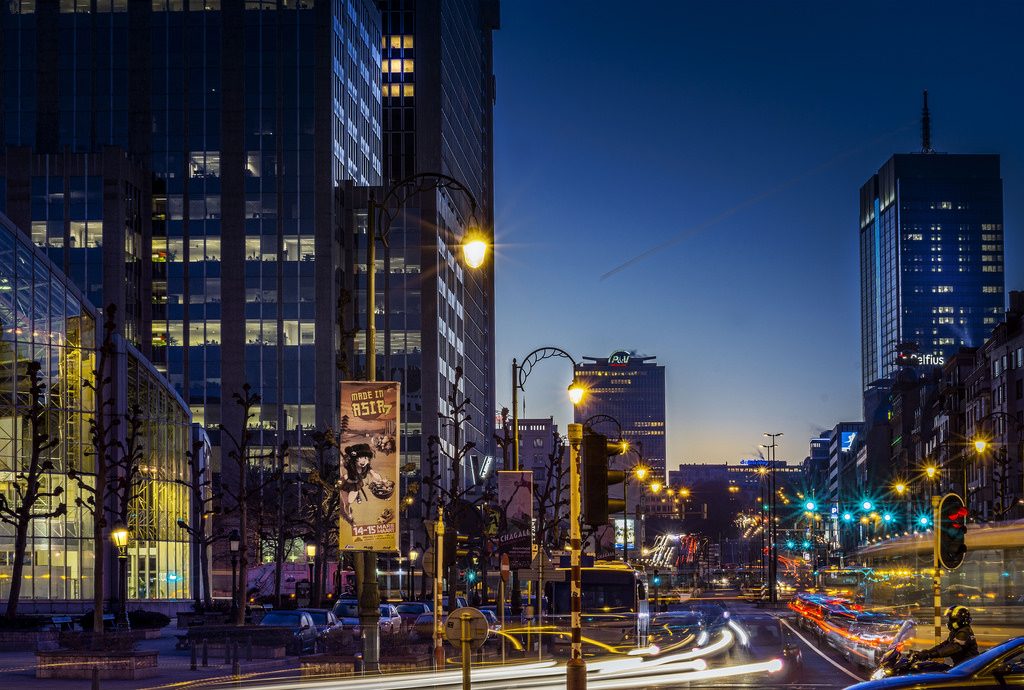
No list of Belgium’s top must-see sites could be complete without at least a mention of its sprawling, action-packed, and indelible capital. Yes, sir, not only is Brussels the beating heart of modern European politics, attracting lawmakers from Estonia to Portugal, but it’s also home to the iconic Grand Place market square, where a palimpsest of Gothic, Baroque, fin-de-siècle, and Beaux-Arts styles intersect amidst the gables and spires. And all around this historic square, hidden alleys conceal Belgian beer bars overflowing with Trappist breweries and frothy brews, famous chocolatiers, hole-in-the-wall waffle spots, and piles of double-fried Belgian fries, art museums packed with Bruegel and Rubens, royal parks, and monuments like the Cinquantenaire — the list goes on as you’ll see in our Brussels guide.
9. Mons
Source: cntraveller
Mons
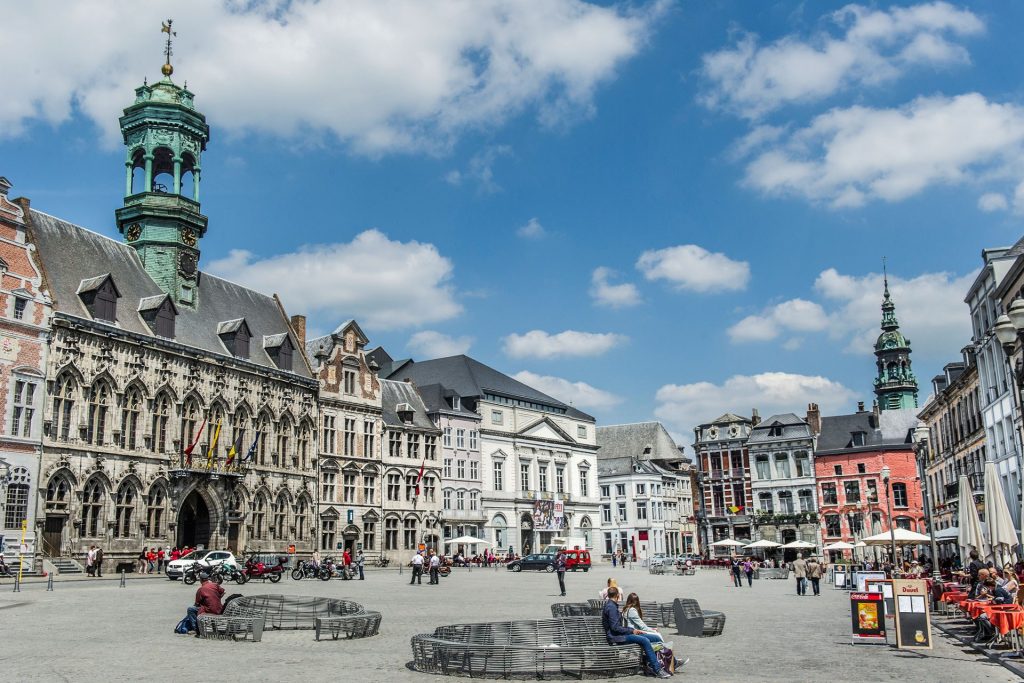
Proud former European Capital of Culture and perhaps the most elegant historic center in all of Belgium, Mons and its array of Luxembourgish townhouses come draped over the southwest hills, just a stone’s throw from the French border. The action centers around the irresistible Grand Place, where the elaborate facades of a seriously photogenic town hall stand in the shadow of Belgium’s only baroque belfry (a UNESCO World Heritage site). The city is also home to the former residence of the totemic Dutch post-impressionist Vincent Van Gogh, while the famous Ducasse festivities in spring give rise to a stunning display of local religious traditions, with biblical reenactments, battles between St. George and the dragon, horse parades, and more.
10. Spa
Source: Flickr
Spa
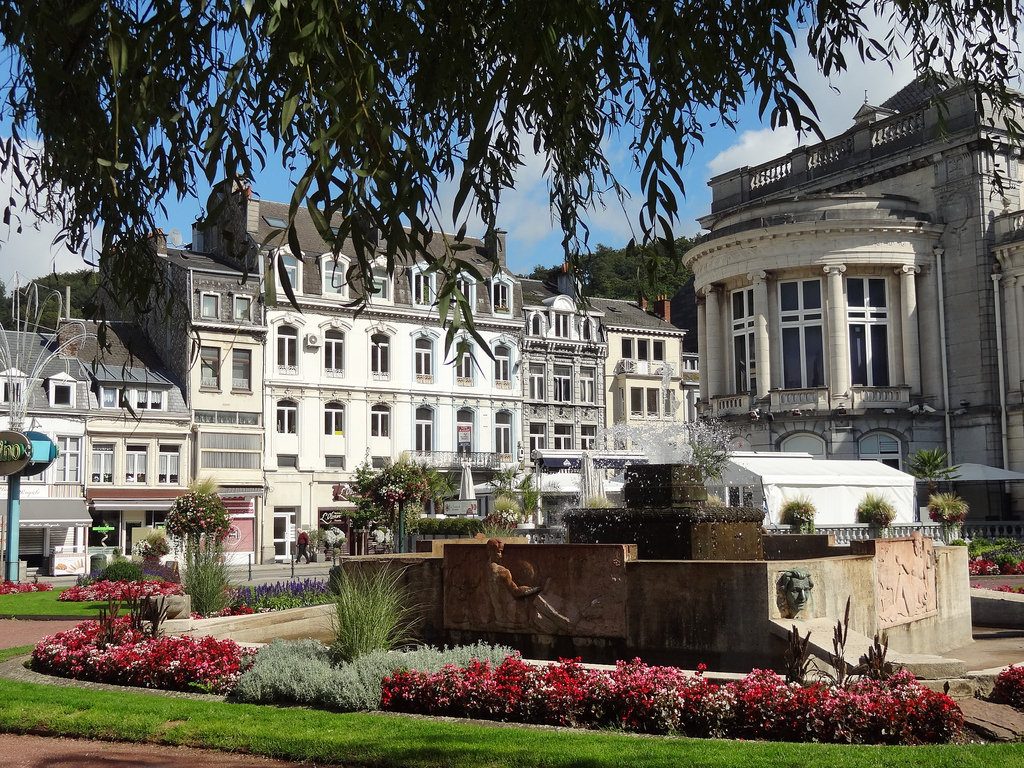
Responsible for adding the prefix ‘spa’ to the lexicon of wellness worldwide, this charming little town in the heart of Liège province is adorned with royal facades and architectural gems from La Belle Époque. It has been celebrated for its healing waters since the 14th century, and today, people still flock to the brand new wellness centers overlooking the downtown streets where Dumas and Victor Hugo and the fictional Hercule Poirot would have fled between Parisian cafes and babbling fountains. It’s nice.
11. Namur
Source: Flickr
Namur
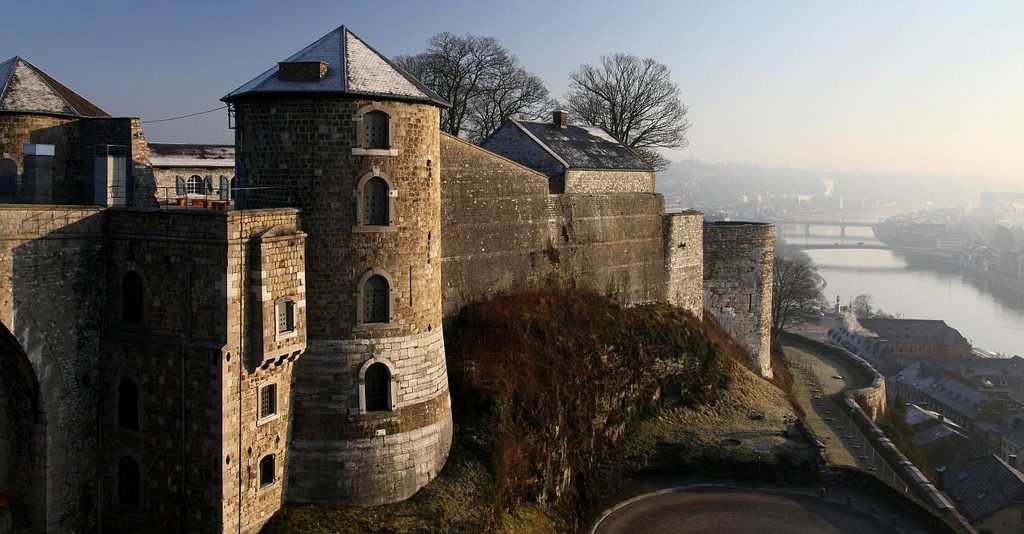
A patchwork of traditional Mosan-style houses built from gray bricks and stoic black slate, winding through cobbled streets and pretty riverside promenades, Namur defies its official status as a regional capital with its laid-back and historic vibe. Its undisputed centerpiece is the sprawling medieval Citadel that crowns the hills above the Sambre. Over 1,000 years old, it remains one of the largest fortresses in all of Europe and comes complete with wafts of escape tunnels and poppies that were used until World War II. And once travelers have finished exploring the castle complex on the hill, the cobbled square of Namur’s Old Market beckons; a lovely European square brimming with outdoor cafes and Belgian beer bars.
12. Liège
Source: Thinglink
Liège
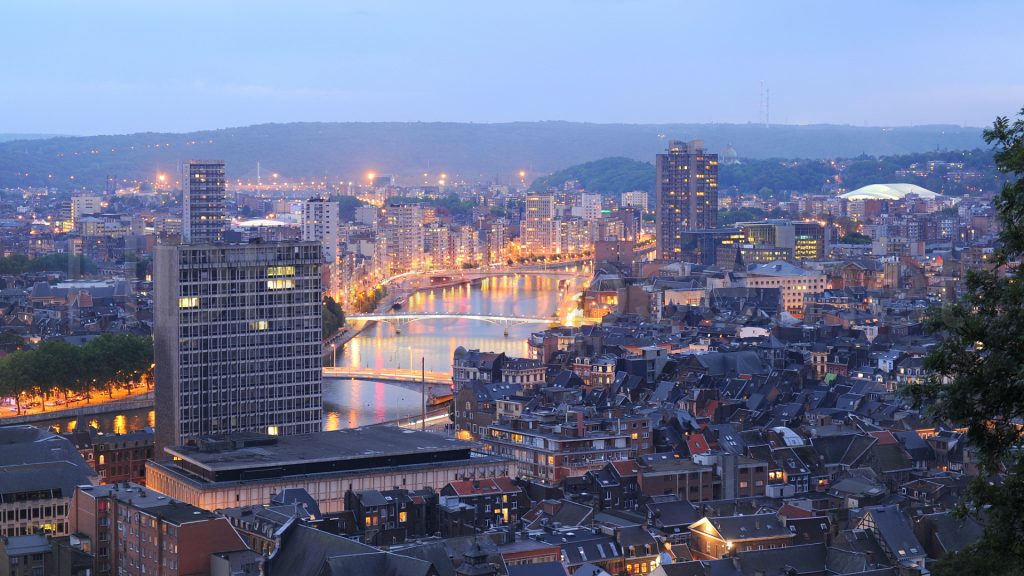
Straddling the Meuse and winding north through grassy valleys and woodlands of Wallonia, Liège is one of the least populated cities in Belgium. However, travelers who linger here just a bit before heading out to explore the wilds of the Ardennes are in for a real treat. For starters, there’s a very medieval quarter of the old town that descends from the fascinating Citadel of Liège to the riverbanks, including the flying buttresses of a rebuilt city cathedral, acclaimed institutions like the Fine Arts Museum, and the eclectic Egyptology-come-Bonapartist collections of the Curtius Museum. And then there’s the nightlife — a mix of student-led jazz bars and Low Country pubs that shake between Victorian and Art Deco houses in the Le Carré district. Learn more about Liège: the best things to do in Liège.
13. The Ardennes
Source: flickr
The Ardennes
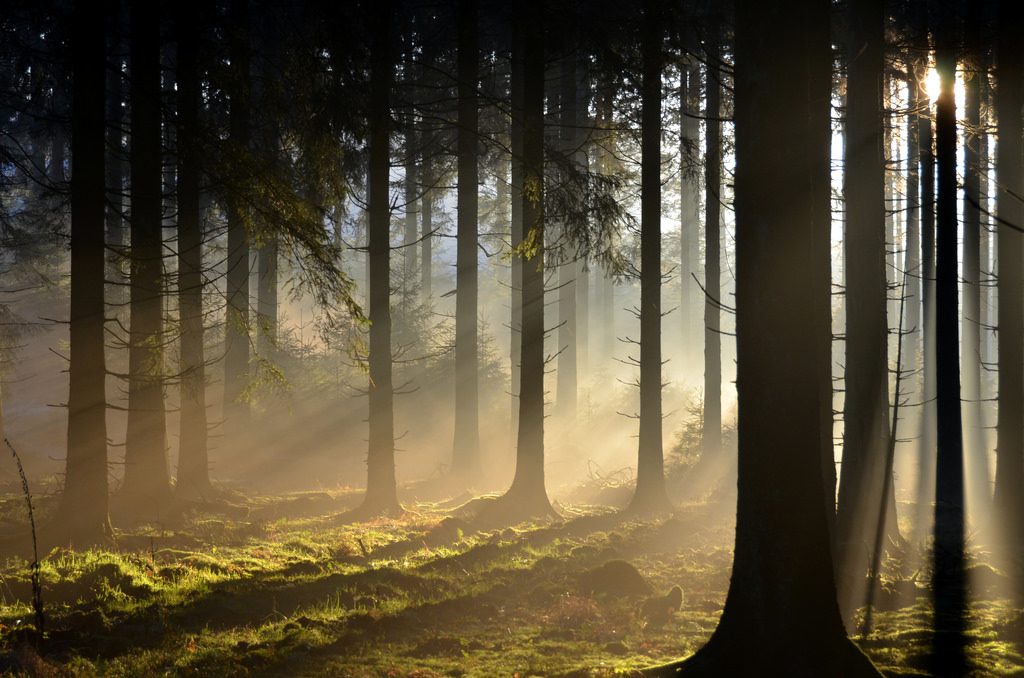
A sprawling part of southern Belgium renowned as one of the most beautiful hiking destinations in all of Northern Europe, the Ardennes stretch from the city of Namur, through the winding Meuse valleys, and up to the wild Fens plateau bordering the German Eifel mountains. Within its borders, travelers can seek out rock-clad castles like Bouillon Castle, Mardi Gras festivities in Malmedy, beautiful canoeing waters along the Lesse, caves and grottos amid the hills of the Ourthe, dense forests and Trappist monasteries in Rochefort, the rugged cliffs of Dinant, verdant valleys giving way to the winding river canals, misty forests stretching for miles, and oodles, oodles more!
14. Ostend
Source: Flickr
Ostend
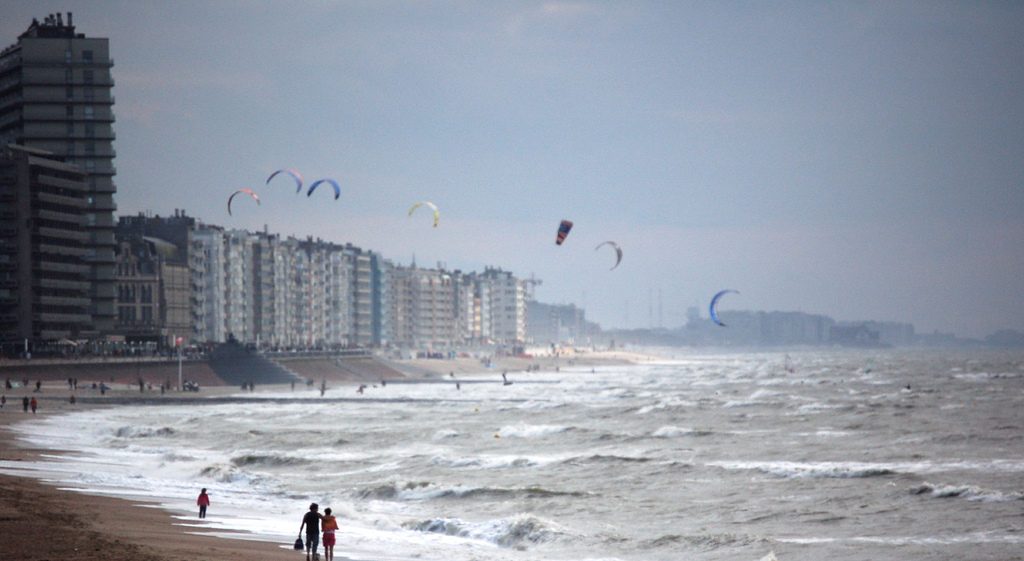
Escape the inland cities of Belgium for a blast of North Sea air along the sun-splashed (at least in summer!) promenades of Ostend, which line the wind-swept coast of West Flanders just a stone’s throw from Bruges. Much loved by locals for its vibrant atmosphere and sandy beaches between June and August, it’s surprisingly easy to fall in love with the seaside hotels, oddly English tea rooms, and hedonistic clubs along Langestraat. There’s also history to explore, notably at the infamous Atlantic Wall Open Air Museum, which tells the story of the German fortification of the European coast, while aquariums and various sea-themed exhibitions recount the city’s indelible connection to the North Sea.
15. Bastogne
Source: Flickr
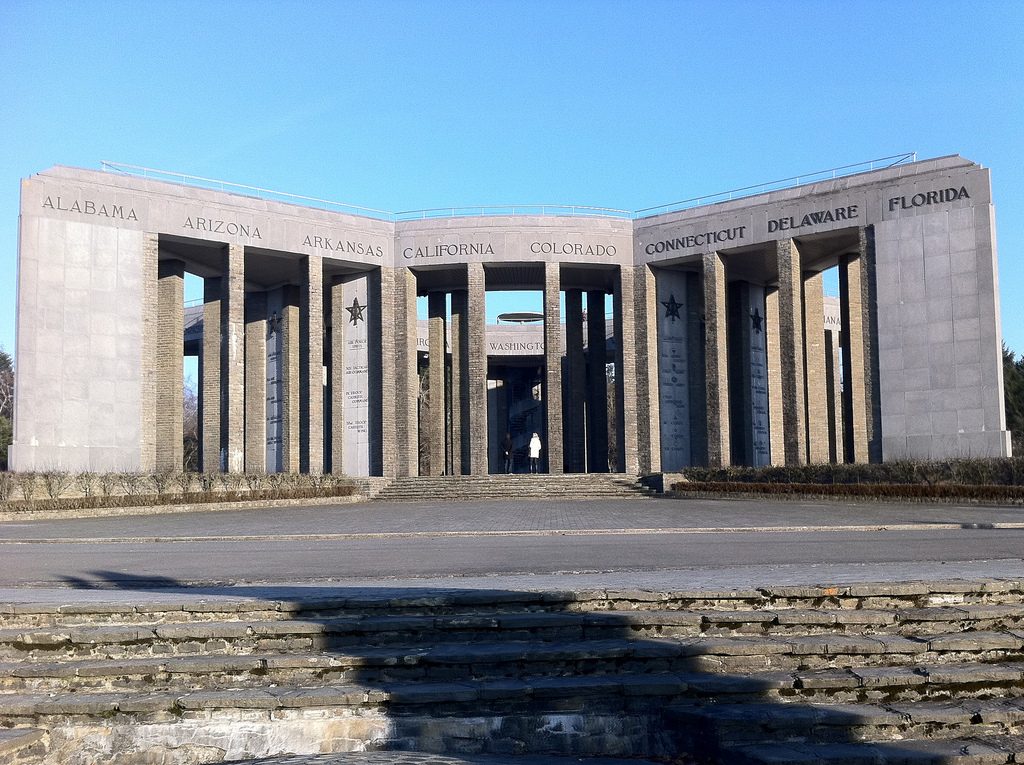
Bastogne Monument
Perched on the border with Luxembourg to the south, the sleepy town of Bastogne, with its 15,000 inhabitants, has a history that dates back to the centuries when Gallic tribes warred against Roman centurions in the Low Countries. However, the place is now better known for its role in the tumultuous and dark stories of the 20th century. In 1944, it was from here that German divisions planned the Battle of the Bulge, and the town subsequently hosted the heroic 101st Airborne Division as they were surrounded by Axis troops. Today, this crucial moment on the Western Front is commemorated at the famous Bastogne War Museum, the colossal Mardasson Memorial, and the Bastogne Barracks.
Read more at info-du-web.net