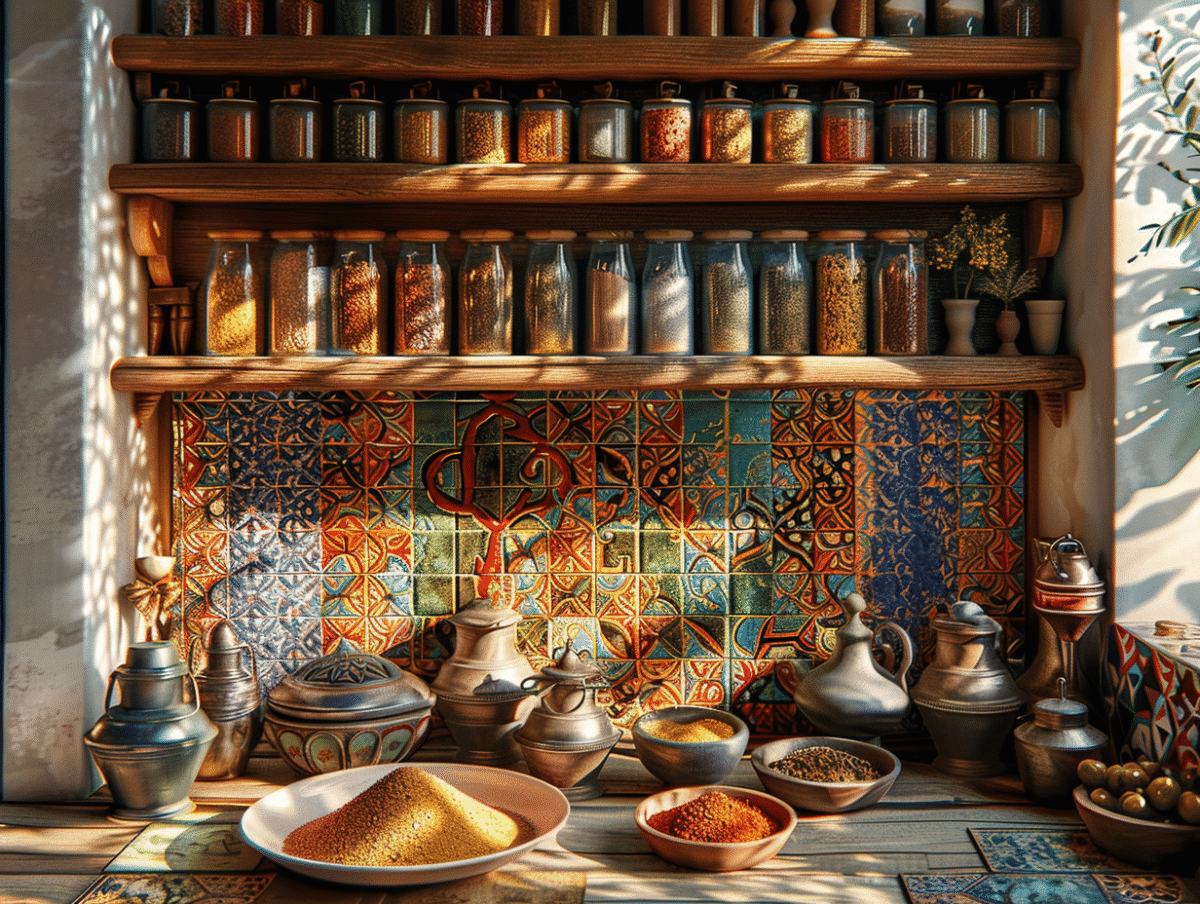
Traditional Islamic cuisine, rich and diverse, relies on key ingredients that transcend geographical and cultural boundaries. These essential components not only impart their unique and authentic flavors to dishes but also reflect the dietary and spiritual principles of Islam. Aromatic herbs, exquisite spices, halal meats, nourishing legumes, and whole grains form the foundation of this gastronomy. Their delicate and skillful use is an art passed down through generations, symbolizing hospitality and sharing, fundamental elements of Islamic culinary identity. It is a heritage manifested in dishes as varied as couscous, biryani, or sweet delights like baklava.
The Fundamentals of Islamic Cuisine
Traditional Islamic cuisine, overflowing with flavors and traditions, operates within a framework where dietary prohibitions dictate the preparation and consumption of dishes. Arab cuisine, a component of African cuisine and neighboring Jewish, Berber, Mediterranean, and Turkish cuisines, scrupulously respects these taboos. At its core, pork and alcohol are generally prohibited; thus, alternatives such as Islamic alcohol vinegar are crafted to comply with the prescriptions of the Muslim faith. Foods, often prepared ritually (halal), attest to a commitment to practices that transcend mere sustenance to touch on the spiritual.
The Muslim religion deeply permeates the gastronomy of the Arab world with its specific dietary prohibitions. Beyond pork, alcohol is another notable prohibition that influences traditional beverages. Coffee, tea, horchata de chufa, and avocado juice hold a central place in hospitality and conviviality rites. Consider the ritual dimension of food preparation: halal is not just a label; it reflects a respect for divine commandments, an attention to purity, and the quality of consumed products.
In this panorama of Arab cuisine, every dish, every ingredient must be in harmony with the laws of Islam. Dishes made with halal chicken, lamb, beef, goat, as well as fish, are prepared with particular care. The meat is slaughtered according to a specific rite that not only ensures its religious compliance but also aims to guarantee its taste excellence. Dairy products such as yogurt, buttermilk, and white cheese enrich the palette of flavors and textures. Spices like saffron, black pepper, chili, turmeric, garlic, cumin, cinnamon, as well as herbs like parsley, coriander, and sumac give dishes their distinctive and unforgettable character. Take into account this fusion of aromas, a reflection of a culture and identity that are savored as much as they are lived.
Iconic Dishes and Their Preparation
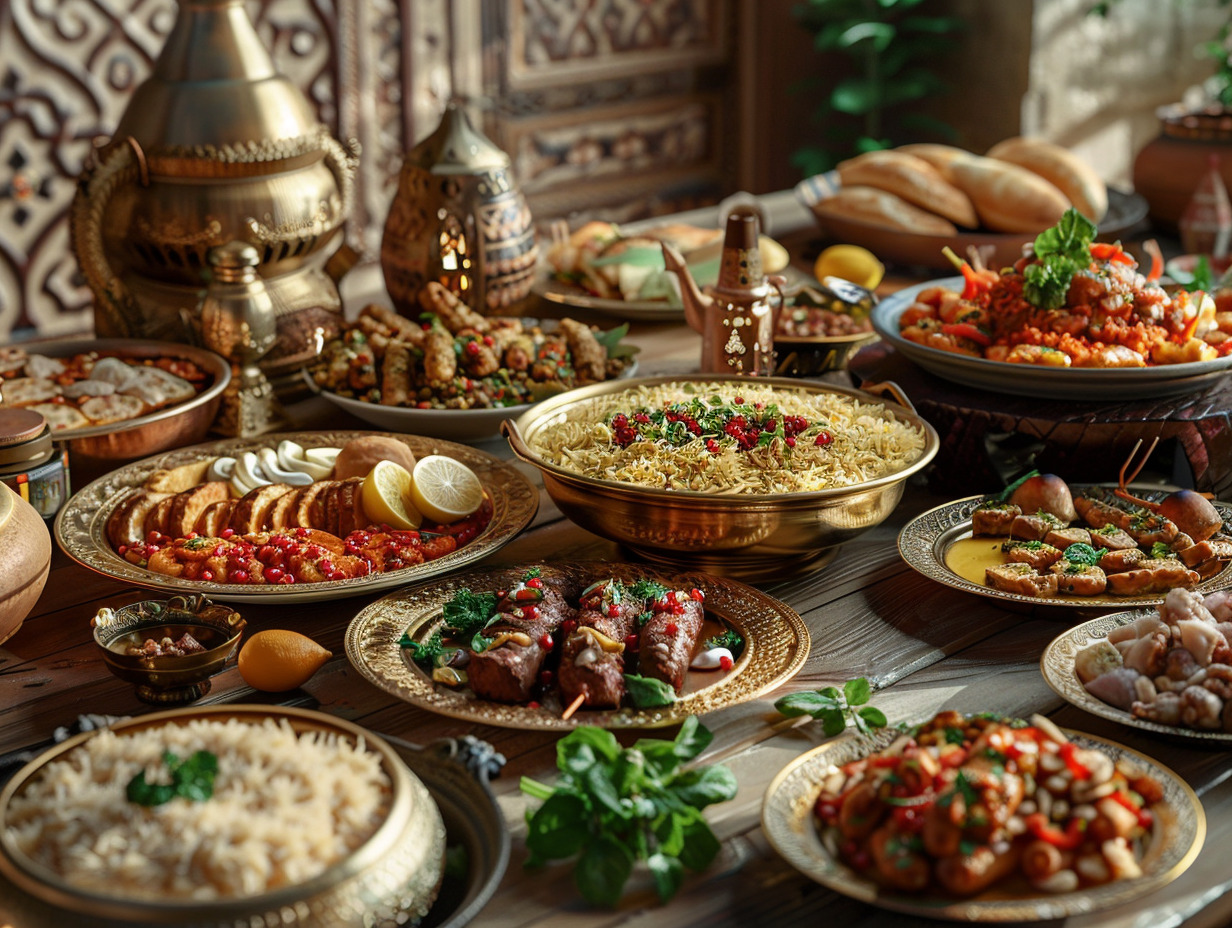
The culinary culture of traditional Islamic cuisine offers a diversity of iconic dishes suitable for a variety of occasions, including Ramadan. Tabbouleh, hummus, kebabs, mezzes, fatayer, falafel, and shawarma are recipes that illustrate the universality and richness of Eastern cuisine. These dishes, common to many local cultures of Arab cuisine, reflect the art of hospitality and generosity, with preparations often shared among family or friends.
For these recipes, the choice of ingredients and spices is crucial. Meats such as chicken, lamb, beef, and goat, as well as fish, must be halal to be consumed. These proteins are enhanced with herbs and spices like saffron, cumin, and sumac, creating unique aromas and flavors. Dairy products, including yogurt, buttermilk, and white cheese, bring freshness and creaminess to the dishes. Tahini, labneh, and sauces made from olive oil and lemon juice complete the seasonings.
Traditional Islamic cuisine also places a strong emphasis on grains and legumes. Rice, wheat, bulgur, semolina, and various breads form the base of many dishes. Pods, lentils, fava beans, chickpeas, red and white beans are often incorporated into nutritious recipes. Vegetables like carrots, eggplants, zucchinis, artichokes, and okra are cooked to preserve their texture and natural taste, while onions, olives, and potatoes enhance the flavors.
Traditional Islamic cuisine does not forget fruits, essential elements of Eastern gastronomy. Pomegranates, dates, figs, oranges, lemons, watermelons, melons, grapes, peaches, and nectarines are often used in desserts or incorporated into savory dishes for their freshness and sweetness. Nuts such as almonds, peanuts, pine nuts, pistachios, and walnuts add crunch and depth to recipes. Beverages, from coffee to tea, horchata de chufa, and avocado juice, play a key role in accompanying meals and in moments of sharing.