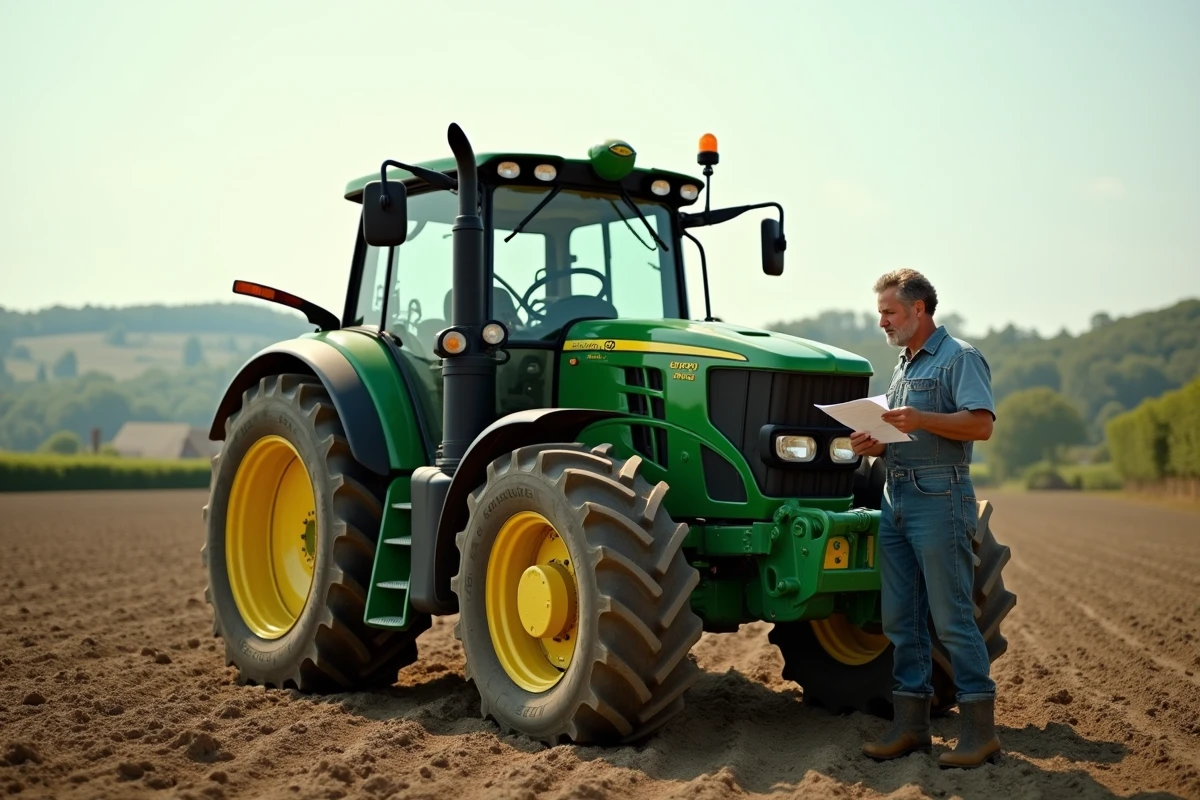
The price of a new agricultural tractor is not just a pricing grid based on power. The structure of the French market, the pressure on certain segments, and the often underestimated technical aspects in quotes weigh as heavily as the horsepower under the hood.
Investigation by the Competition Authority and impact on tractor prices
Since 2024, the French Competition Authority has been conducting an investigation into the rising prices of tractors. The report highlights the concentration of the market, with a limited number of large manufacturers, and potential restrictions on competition in distribution and access to technical data.
This investigation is not trivial for a buyer. A concentrated market means that negotiation margins vary significantly depending on the power segment. We observe in the field that models from 70 to 100 hp, which constitute the core of the demand in mixed farming, often display the mention “price on request” at dealerships, with limited stock. Delivery times are lengthening in this segment, and commercial discounts are shrinking.
In contrast, high-power tractors (over 300 hp) leave more room for price discussions. The lower sales volume and higher unit margins encourage networks to offer more flexible trade-in or financing conditions. Understanding the price of a new agricultural tractor therefore requires integrating this competitive reality even before comparing technical specifications.
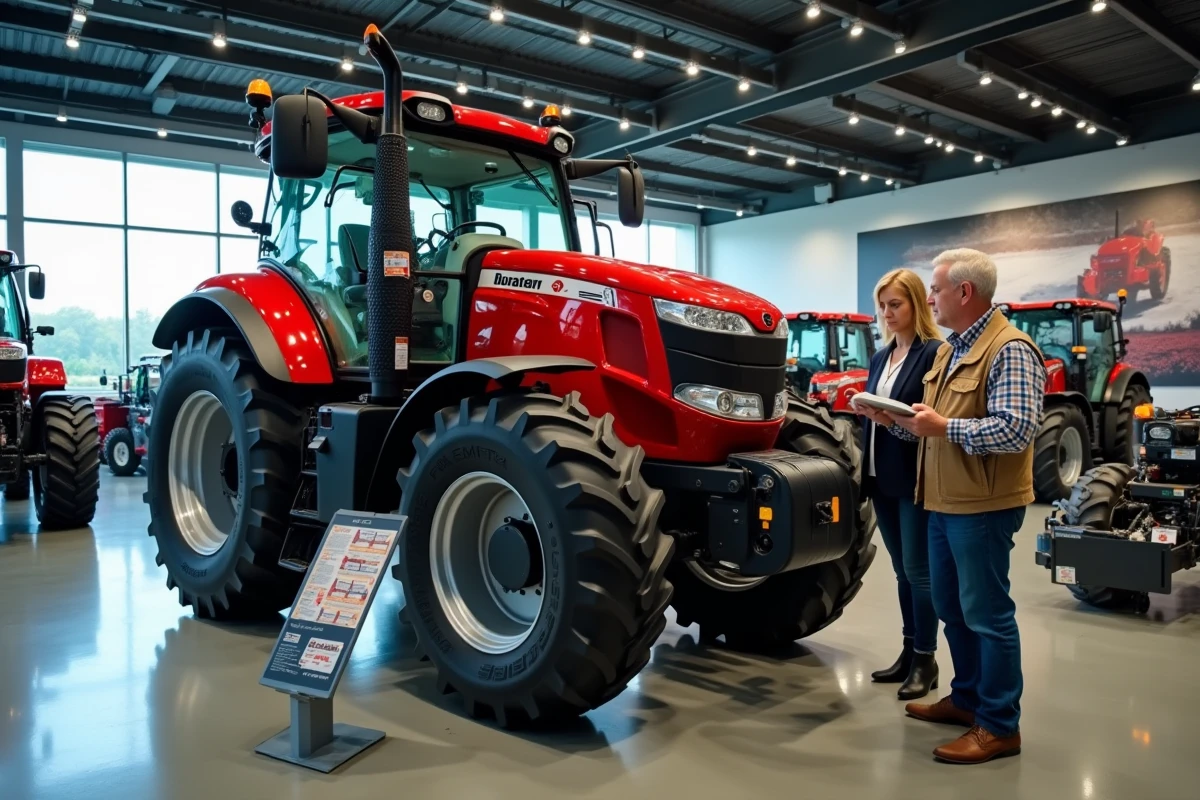
Total cost of ownership of a new tractor: beyond the catalog price
The displayed price excluding VAT at the dealership represents only a fraction of the actual cost over the tractor’s lifespan. The TCO (total cost of ownership) includes financing, maintenance, consumption, insurance, and especially depreciation.
Resale value and brand: a decisive factor
Brands with a high market share retain their value better in the used market. A tractor from a manufacturer dominating the French market will lose proportionally less than an equivalent model from a less established brand. This depreciation differential can represent several tens of thousands of euros over ten years of operation.
A common mistake is to compare two new tractors solely based on their purchase price, without projecting the residual value at resale. A tractor bought at a higher price but resold with moderate depreciation can sometimes cost less over time than an entry-level model that loses most of its value in just a few seasons.
Underestimated maintenance costs in the initial quote
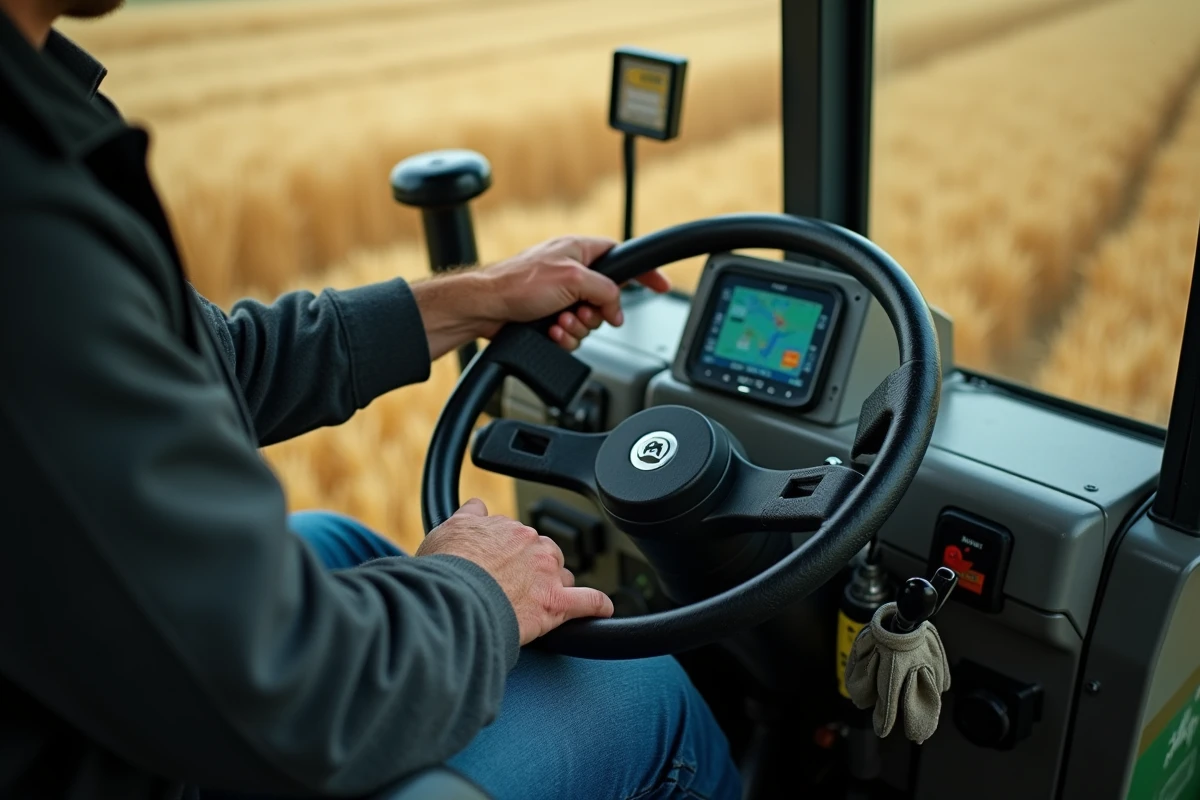
The front loader, often offered as an option, adds not only a purchase cost but also a recurring maintenance item (cylinders, hoses, pivot points). Embedded technologies (GPS guidance, telemetry, ISOBUS management) incur update fees, annual licenses, and sometimes replacement of screens or antennas.
- Filters, tires, and clutches remain the classic wear items, but their cost can vary widely depending on the brand and the availability of parts in the local network.
- Continuously variable transmissions (CVT) reduce operator fatigue and optimize consumption, but their specialized maintenance costs significantly more than a mechanical or semi-powershift transmission.
- Access to technical data and diagnostic tools is an increasing issue: some manufacturers lock access, forcing operators to go through the authorized network for interventions that they could perform themselves.
Power and actual use: calibrating the tractor to the operation
Oversizing power is a costly reflex. Each additional power tier increases the purchase price, fuel consumption, and the machine’s weight, with direct consequences on soil compaction.
We recommend starting from the tool that requires the most traction or hydraulic flow, and then working up to the necessary power. A 4-meter disc harrow or an 18-ton dump trailer does not stress the tractor in the same way. The hydraulic requirement often takes precedence over the gross engine power for diversified operations that combine soil work, handling, and transport.
The compatibility of the hitch, power take-off, and hydraulics with the existing tool fleet also conditions the choice. Switching from a category II lift to a category III, or from a 540 rpm PTO to a 540/1000 model, alters the interchangeability of tools and can lead to additional costs for adapters or replacement implements.
Premium range or economy range: what the operator really pays
The price gap between a premium brand and a so-called economy brand often goes beyond just cabin finish. The density of the dealer network determines the downtime in case of a breakdown. A premium tractor generally benefits from a finer network, more extensive parts stock, and technicians trained on the latest generations.
On a farm where the tractor operates more than 800 hours a year, a day of downtime during peak harvest represents a loss of earnings far greater than the savings made at purchase. This calculation is rarely formalized in price comparisons, but it weighs heavily in the actual return on investment.
Economy ranges, on the other hand, find their relevance on farms with moderate use, as a complement to a main tractor, or for less technically demanding tasks. A well-chosen compact tractor meets the needs of a farmer in feeding and scraping without tying up the budget of a large-scale model.
- Premium brands: dense network, high resale value, advanced technologies as standard, higher purchase cost.
- Mid-range brands: good mechanical compromise, variable network depending on regions, moderate depreciation.
- Economy ranges: attractive entry price, simplified maintenance, sometimes limited network, faster depreciation.
The price of a new agricultural tractor is assessed over the machine’s lifespan, not just on the invoice from the delivery day. Integrating the market structure, total cost of ownership, and the reality of the after-sales network transforms a purchase into a controlled investment.